

Facilities

Most FSC bases are designed to support daily life as complete internal environments. Personnel can meet their routine needs without leaving the site, allowing operations, research, and support work to continue securely and efficiently.

Indoor biodomes Restaurants Offices Meeting rooms Medical support Internal transit

Self-Sustaining Base Environments

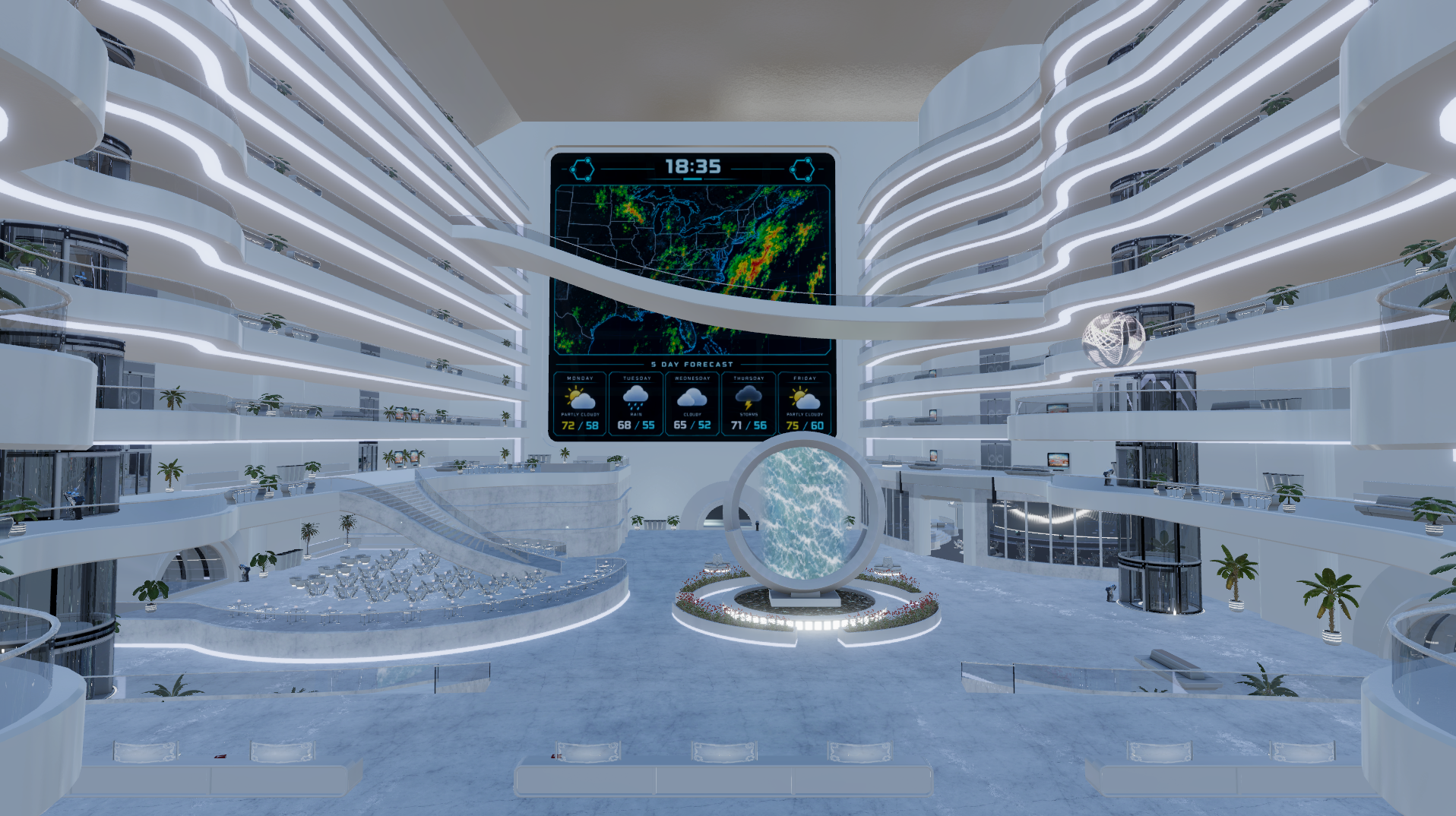
For most bases, the FSC provides the core spaces needed for personnel to live and work on site for extended periods. Large internal atriums, indoor biodomes, restaurants, work areas, meeting rooms, medical spaces, and transit links reduce the need for regular outside travel while keeping staff close to their assigned duties.

This arrangement also allows certain Wonders to move around normally within controlled FSC environments rather than remaining confined to a single room or chamber at all times. Movement privileges beyond the FSC itself are more restricted: Class 1 personnel and above may leave FSC facilities, while Class 0 individuals must remain within FSC-controlled areas.

Large FSC atrium interior with weather display, open terraces, and central gathering area

Examples of Interior Spaces

Different bases vary in exact layout, but most major sites include a common set of support environments so that research, operations, administration, recovery, and daily living can all be handled inside the facility.

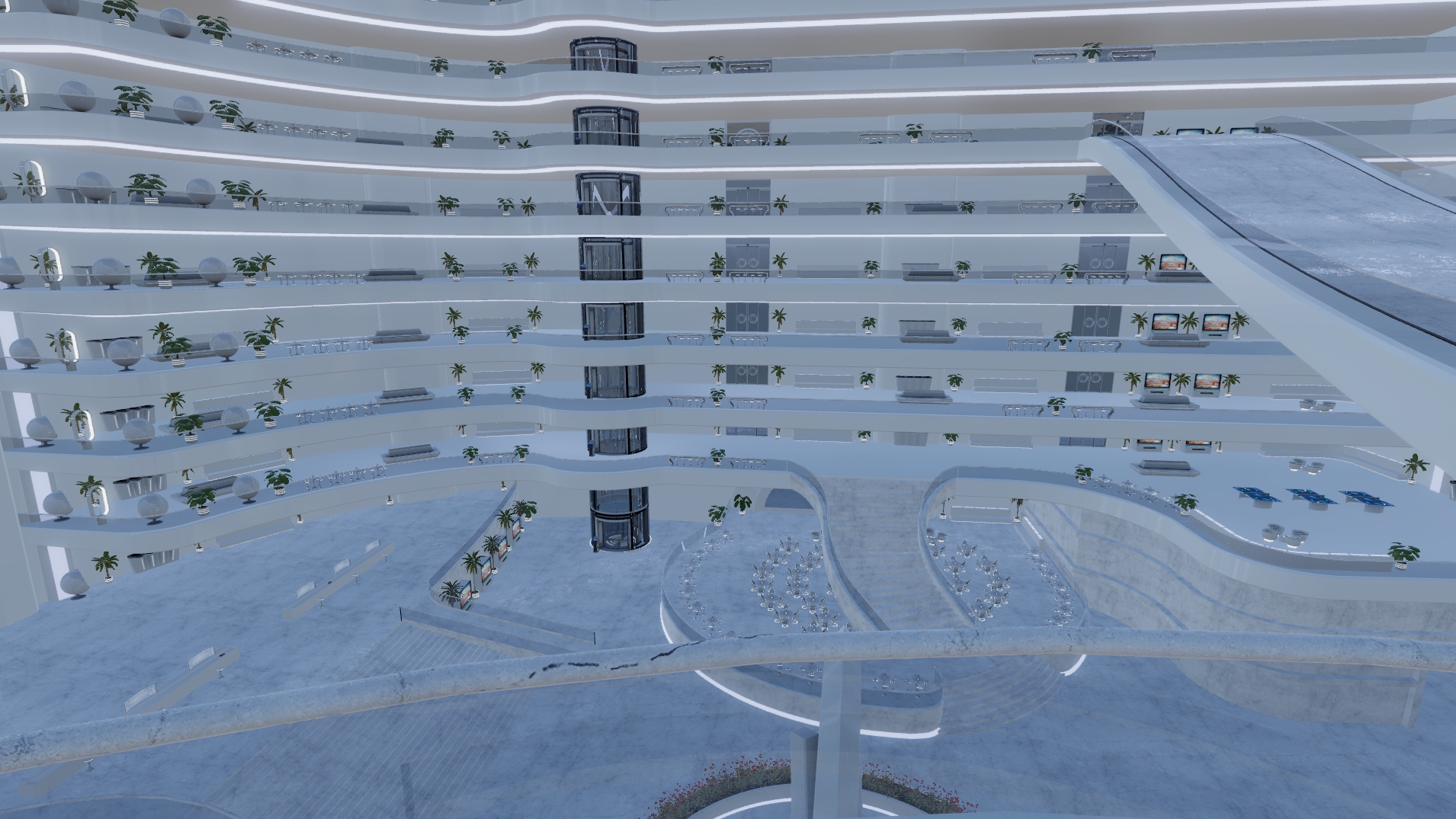
Upper-level view across a large FSC atrium with terraces and circulation ramps
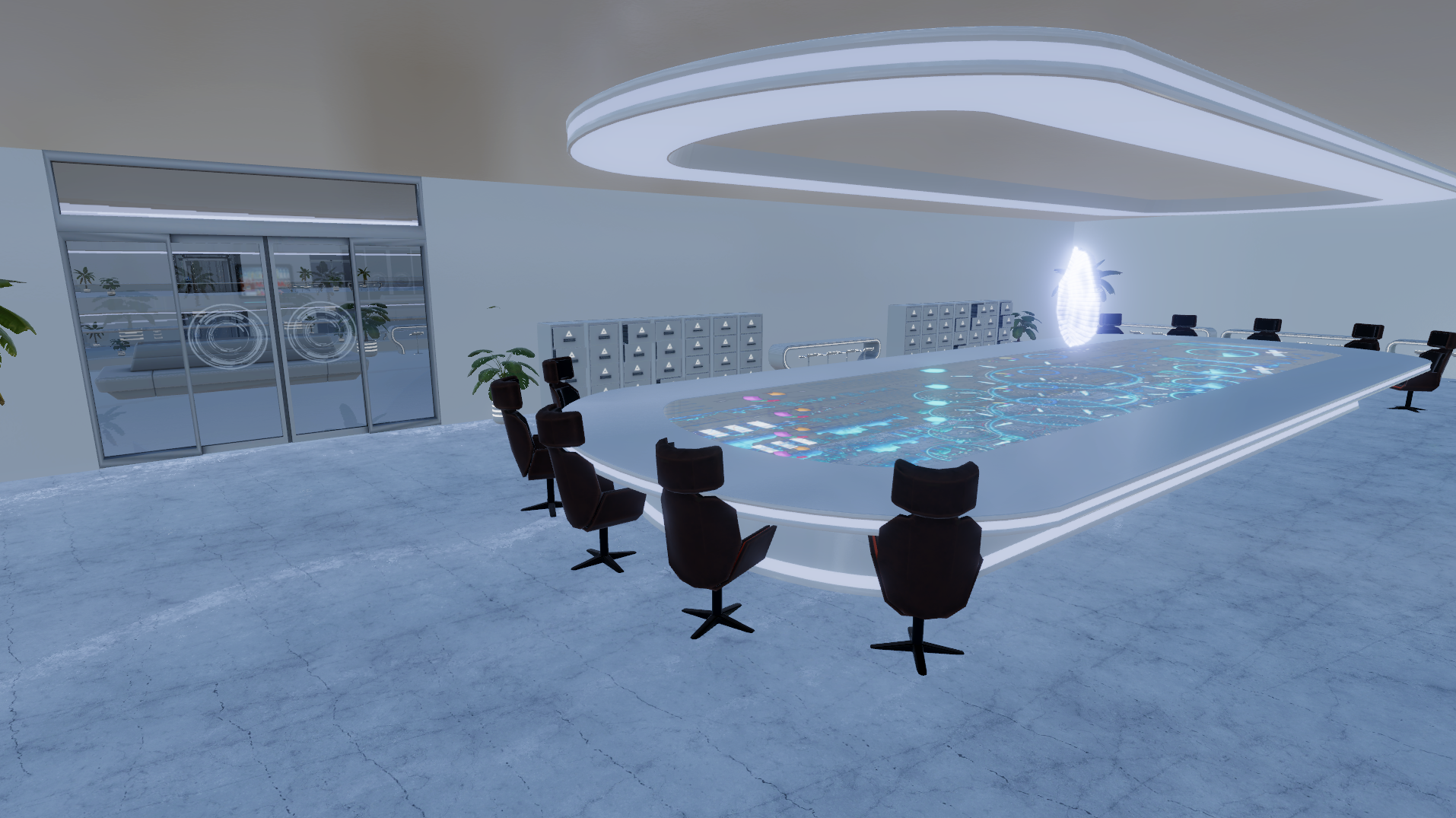
FSC meeting room with illuminated table and presentation display
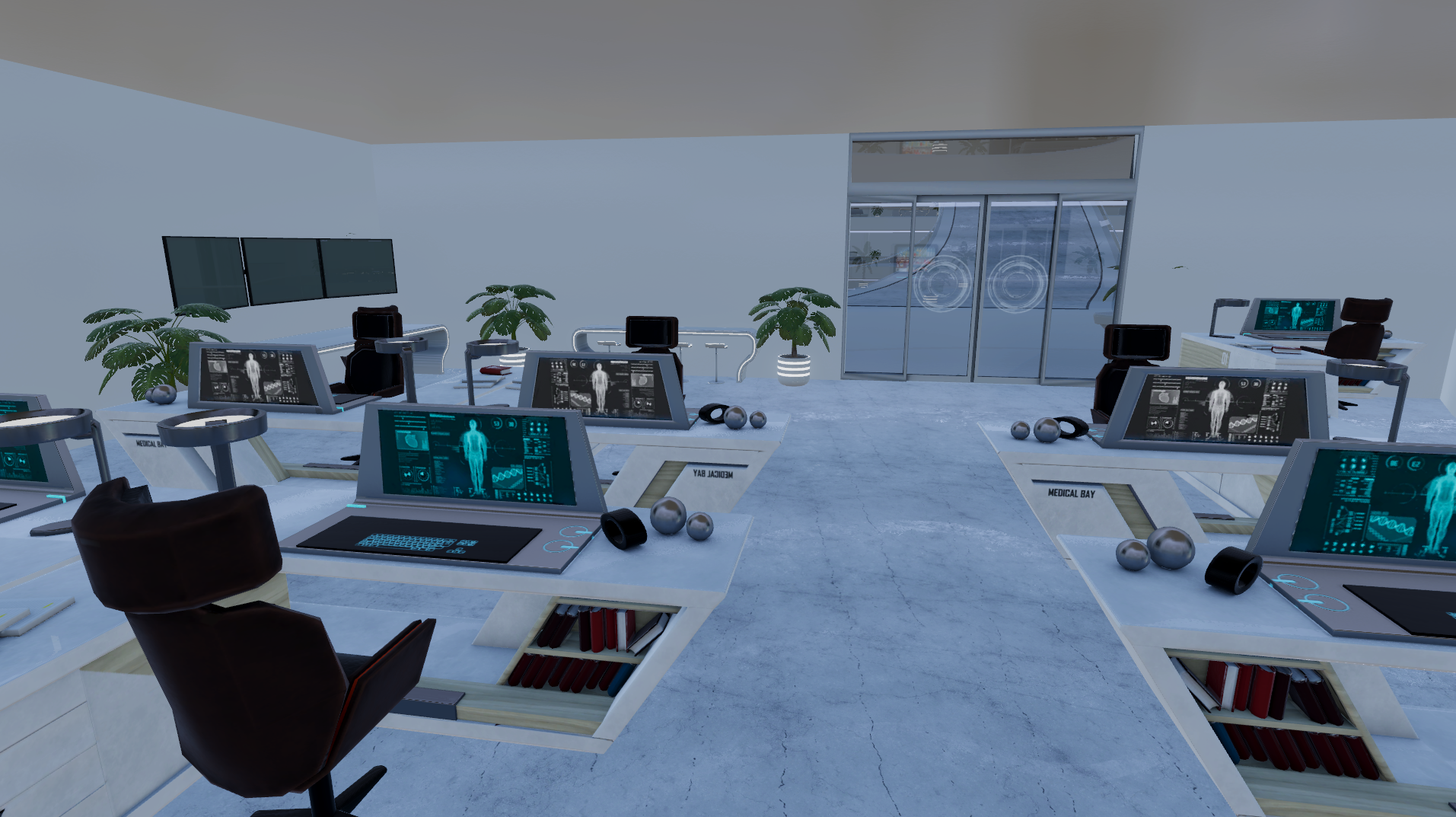
FSC medical bay with multiple diagnostic workstations
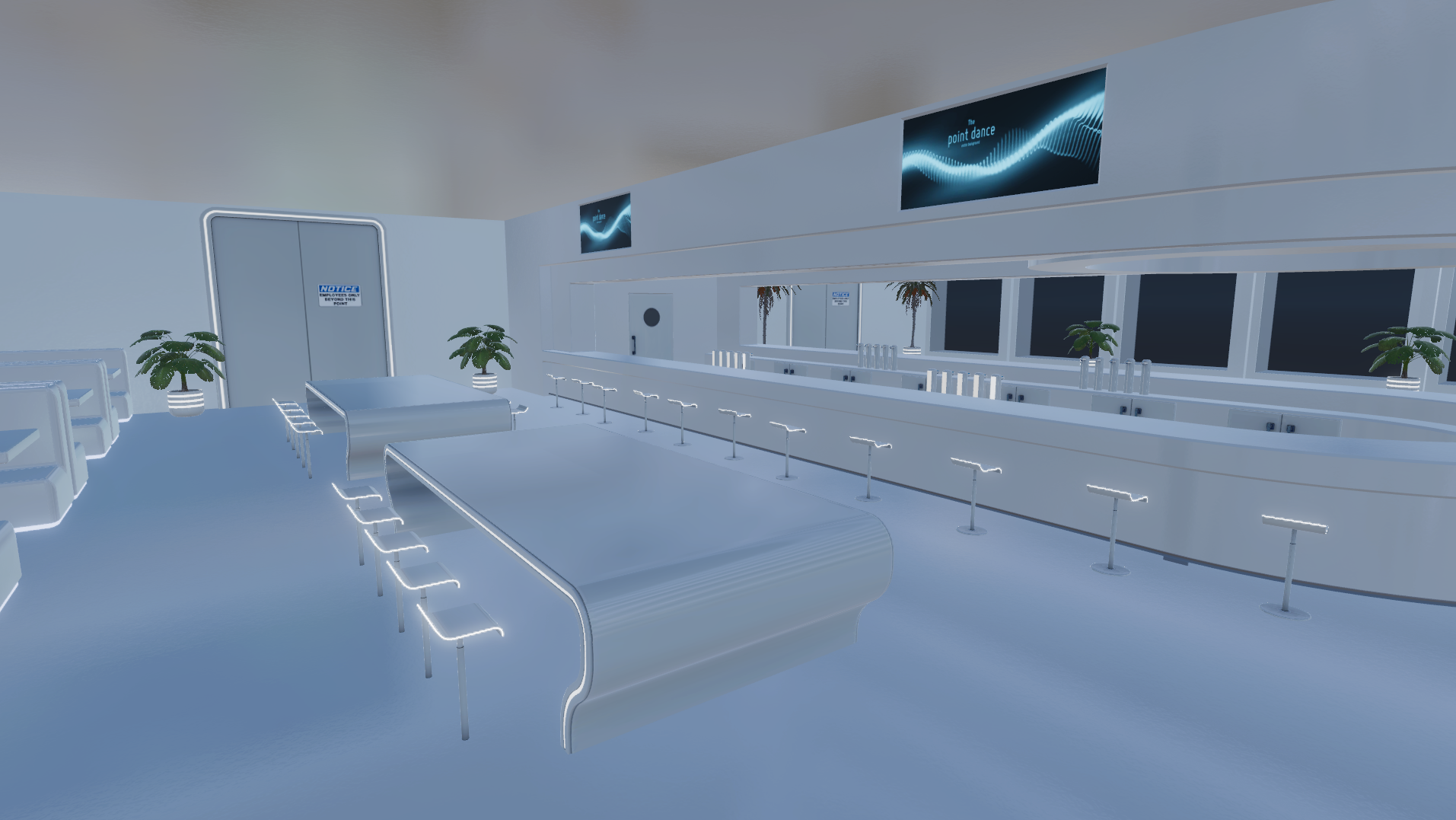
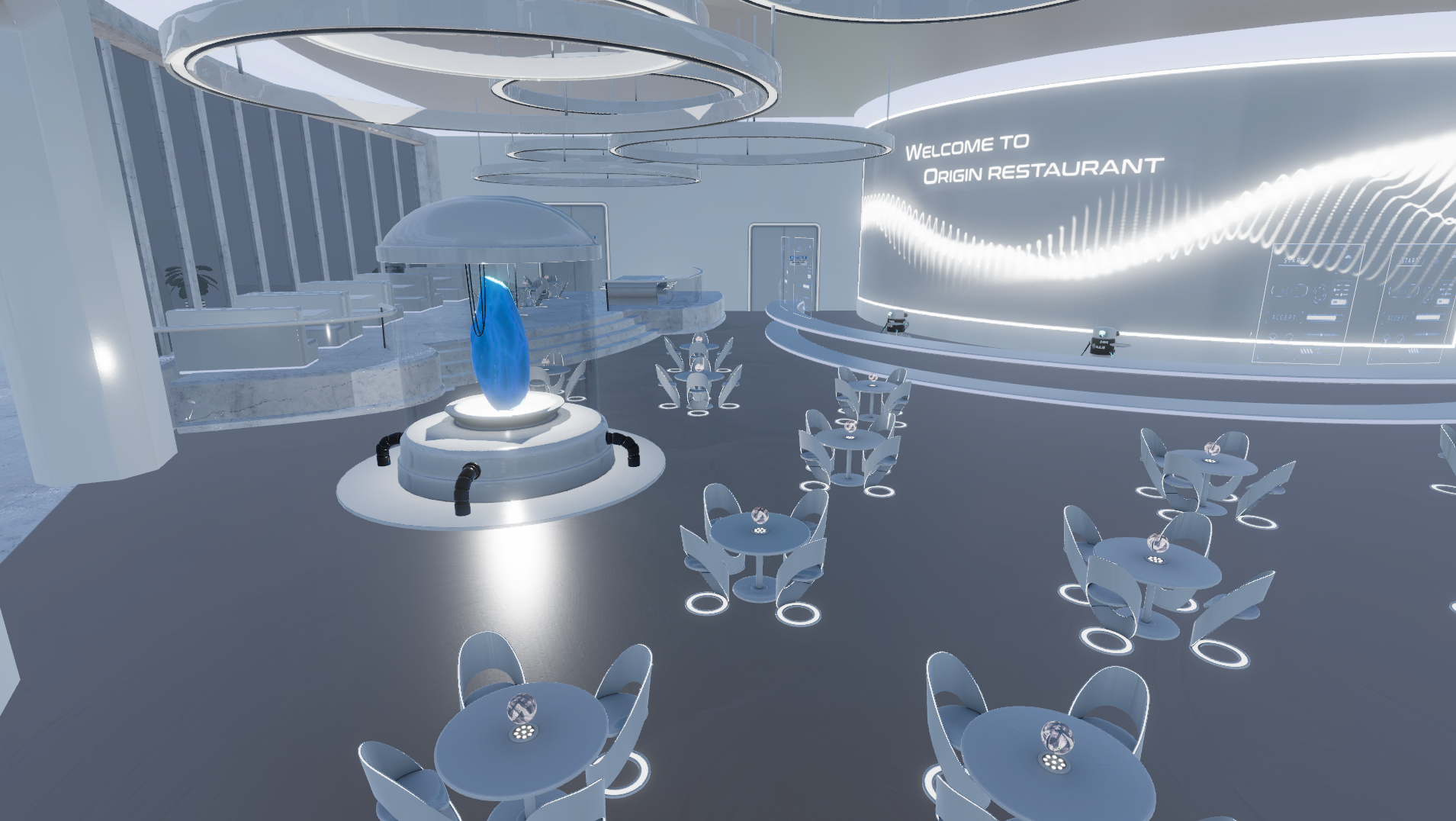
FSC restaurant and dining space
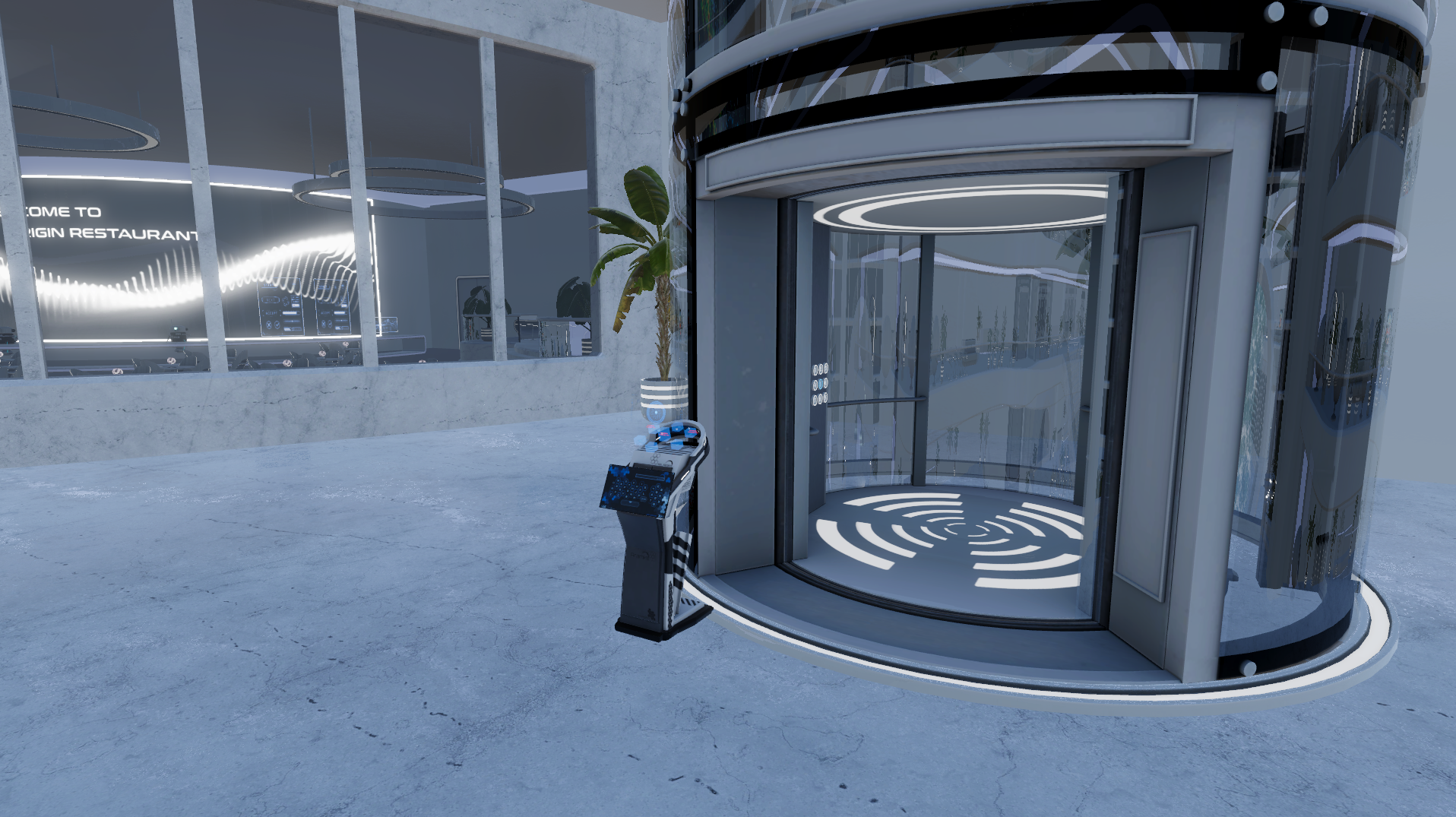
FSC internal elevator and lobby transit access
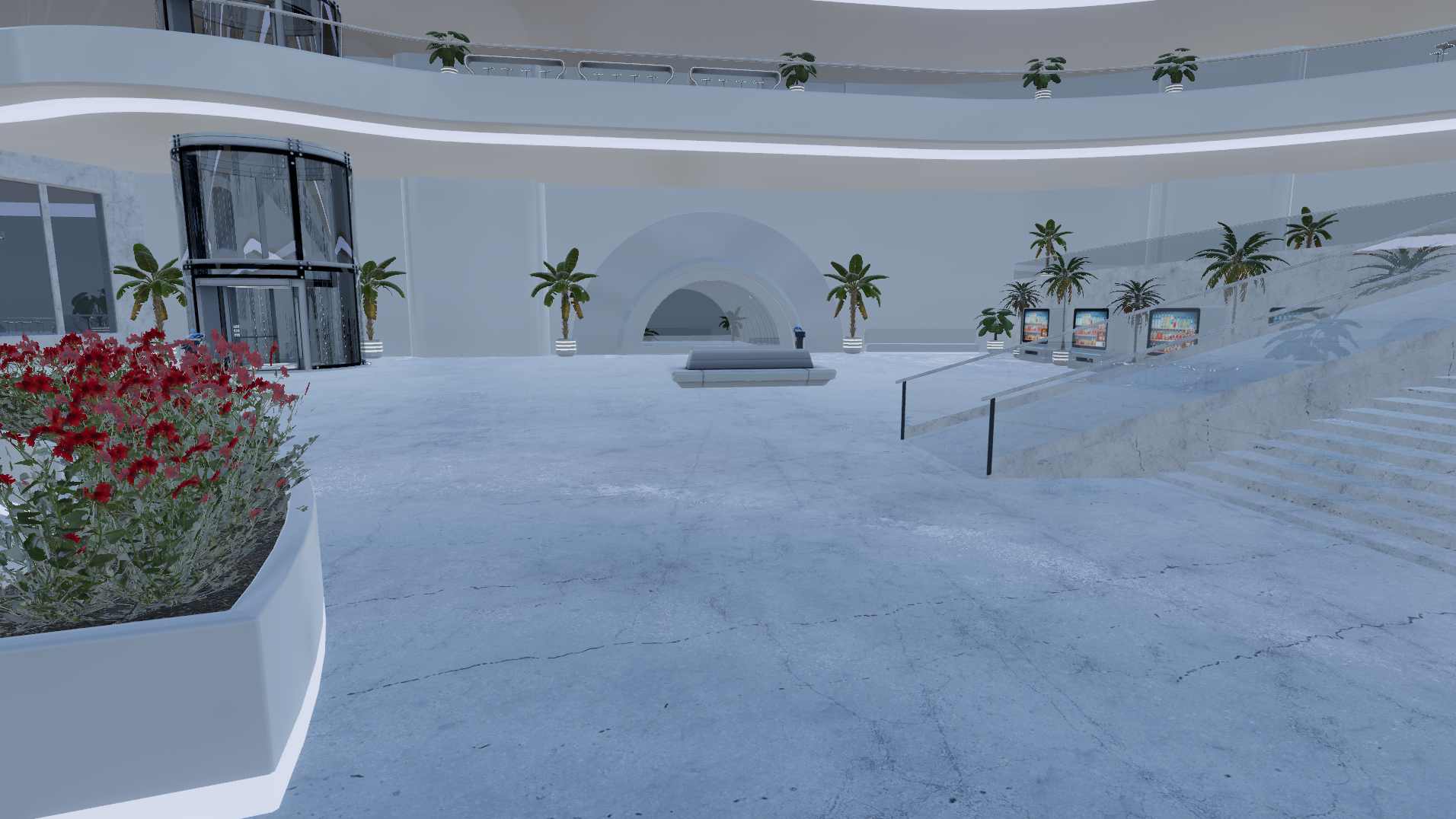
Ground-level FSC atrium with open floor space, ramps, and plantings
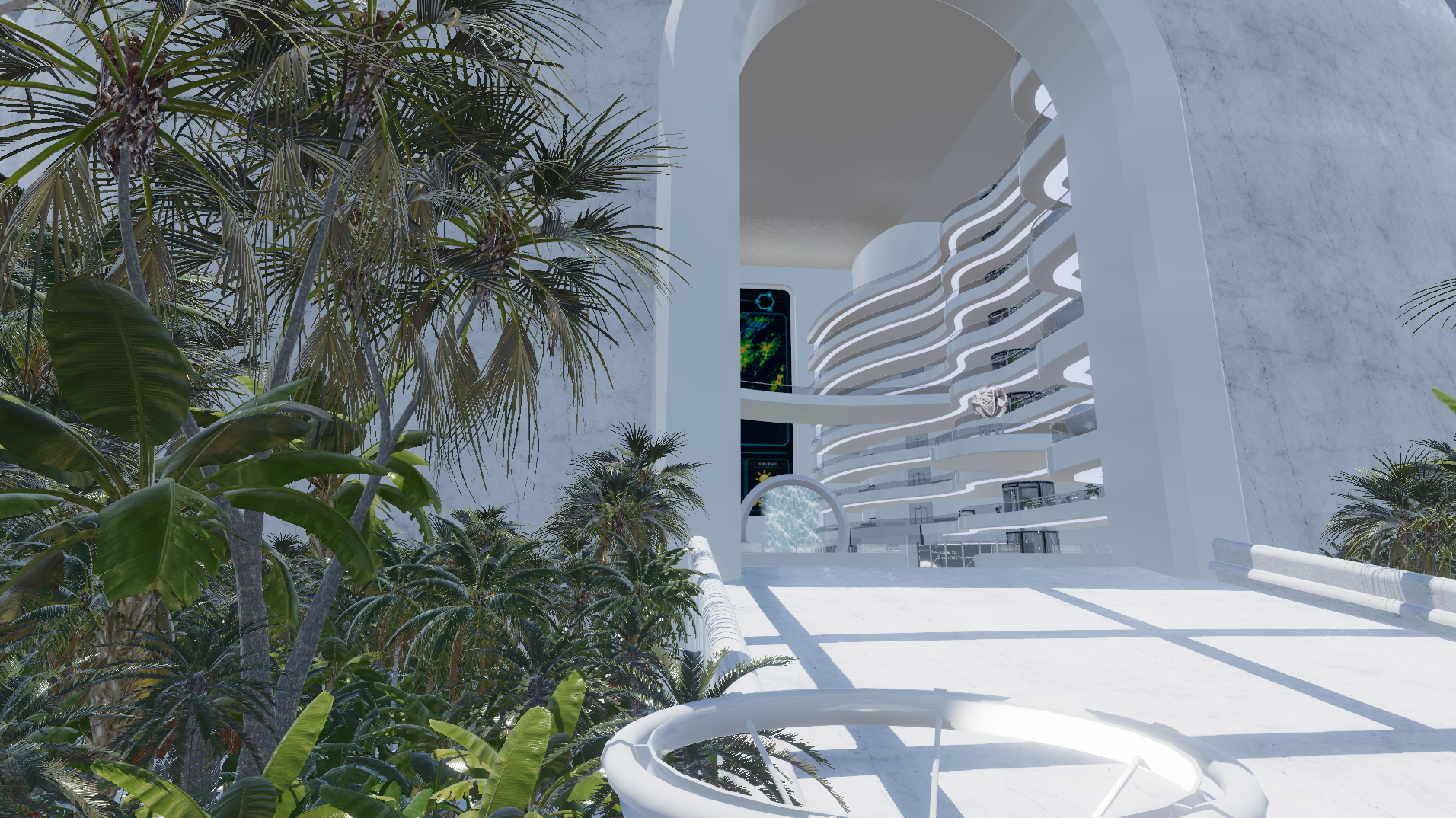
Entry toward an indoor FSC biodome from the main facility
Garden-style interior edge between a biodome and the main FSC structure

Personnel Support

Major FSC sites are intended to function as more than laboratories or barracks. They are built to support ongoing operations, administration, recovery, planning, and ordinary daily life in one secure complex.

  • Work areas for research, administration, and command staff
  • Restaurants and common areas for routine meals
  • Medical spaces for treatment, monitoring, and rehabilitation
  • Meeting rooms for inter-branch coordination
  • Indoor biodome environments that reduce confinement strain

Movement Policy

Some Wonders are considered safe enough to move through controlled FSC spaces in a normal way when under the appropriate supervision and restrictions.

Personnel movement is also tiered. Class 1 and above may leave the FSC according to normal assignment requirements and access rules. Class 0 individuals are not permitted to leave and must remain inside FSC-controlled facilities.